From unlock to contract
The questions to settle between the first message and a signature: term, access, costs, liability, handing back.
· 阅读时间 3 分钟
本指南提供德语和英语版本。你正在阅读英语版本。
After unlocking you have the address and the contact, and from there everything runs between the two of you. Spacement is not party to the contract, handles no payments and takes no commission. Which also means: whatever you do not settle, nobody settles for you.
This list is not legal advice and not a contract template. It is a collection of the questions that tend to cause trouble later when left open beforehand.
Before the site visit
A visit settles in twenty minutes what ten messages leave open. Beforehand it is worth checking three things so the trip is worth making: the actual dimensions, whether the use is permitted there at all, and whether power is available in the form you need.
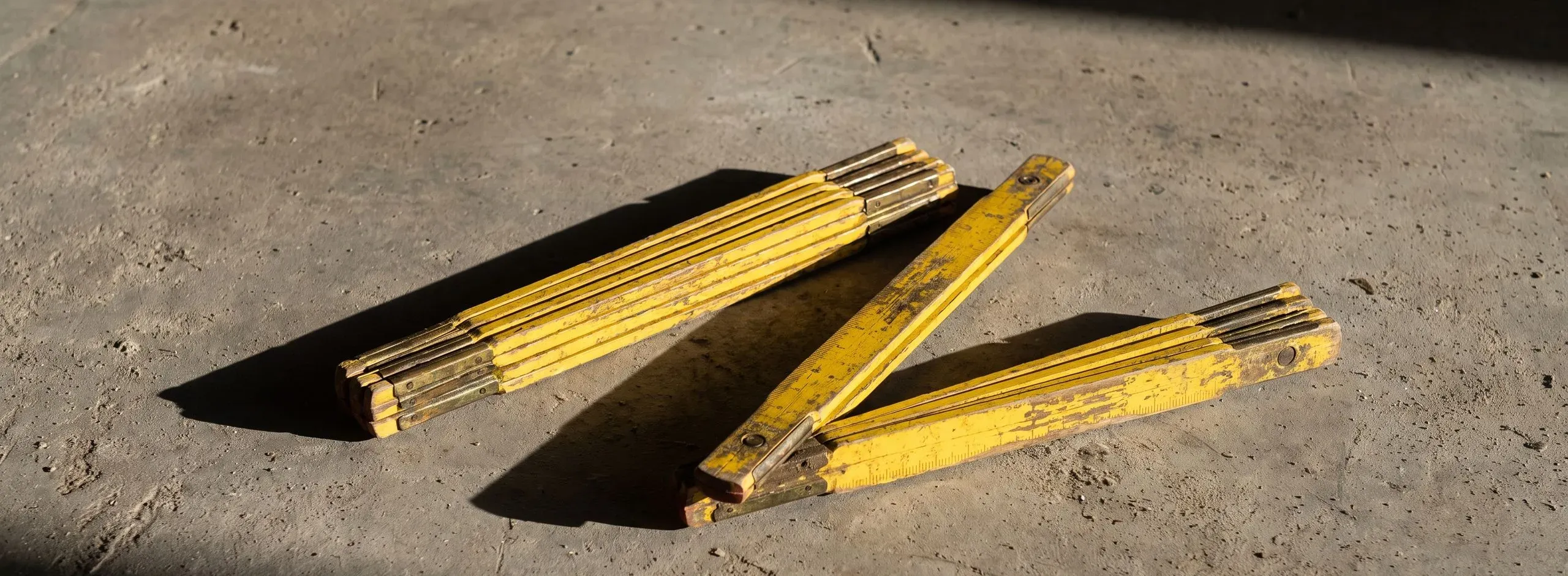
Dimensions are best measured yourself. Not because anyone is fibbing, but because "roughly twelve square metres" and "three by four metres usable" are two different statements.
The questions that belong in every conversation
Term and notice. From when, for how long, cancellable at what notice. Equipment that has to pay for itself over years does not tolerate three months' notice; a six-week pop-up does not tolerate a two-year minimum term.
Access. When can the space be reached, how, and does somebody have to be present. Who gets a key or a code, and what happens if it is lost.
Running costs. Electricity above all: is there a separate meter, is it a flat rate, or is it estimated. That is the most common source of friction in day-to-day operation, and the easiest to settle in advance.
Condition and handing back. What condition it is handed over in and returned in. Who removes fixings, who fills the drill holes. Photographs at handover are the simplest protection for both sides.
Liability and insurance. Who is liable for damage to the space, who for what stands on it, and who insures what. With technical installations, who is responsible for maintenance and operational safety belongs here too.
Permissions. Whether the host may let the space at all is their affair, but it becomes a shared one if it later turns out they may not. Tenancies, owners' associations or listed buildings can require consent. Ask.
For longer arrangements
Where equipment stays for years, two further points arise.
What happens if the building is sold. Whether the arrangement binds a new owner is the question, and for larger projects this is usually secured against the property itself.
What happens at the end. Who dismantles, who bears the cost, and what condition the space is left in.
Both are points where legal advice pays off. We do not give it and are not permitted to.
When something is not right
If the space differs materially from the description, raise it directly first. Misunderstandings are more common than deception.
If it stands, report the listing so we can review it. Reporting a listing covers how.
And one line that always holds: there is no reason to transfer money before a contract, neither as a reservation nor as a deposit to somebody you have not verified. Spacement never asks for payment for a space. The background is in What the price on a space means.
常见问题
- Does Spacement provide a model contract?
- No. We are not party to the rental contract and issue no templates. What follows is a list of questions, not legal advice.
- Who drafts the contract?
- That is between you. For larger arrangements legal advice pays off, particularly when equipment stays on a space for years.
- Is the rent settled through Spacement?
- No. You settle directly with each other. We handle no payments and take no commission.
- What if the space is not as described?
- Raise it directly first. If it stands, report the listing so we can review it.
- Should I visit beforehand?
- Yes. A site visit settles in twenty minutes what ten messages leave open, and dimensions are best checked yourself.