Leasing land for solar
Offer land for solar: which details about current use, planning, access and grid connection help an operator assess the site.
· 4 min read
Leasing land for solar starts with whether a specific project is possible there. An interested operator needs more than the plot size: its current use, planning status, a practical access route and information about a possible grid connection. You can gather these details before a system is designed.
The legal guidance here concerns land in Germany. If you want to offer a roof, the relevant questions are in Offering roof space for solar.
Describe the usable area
Separate the total plot from the part you can actually make available for solar. Mark that area on a simple sketch. Include paths, banks, ditches and any areas you need to keep using yourself.
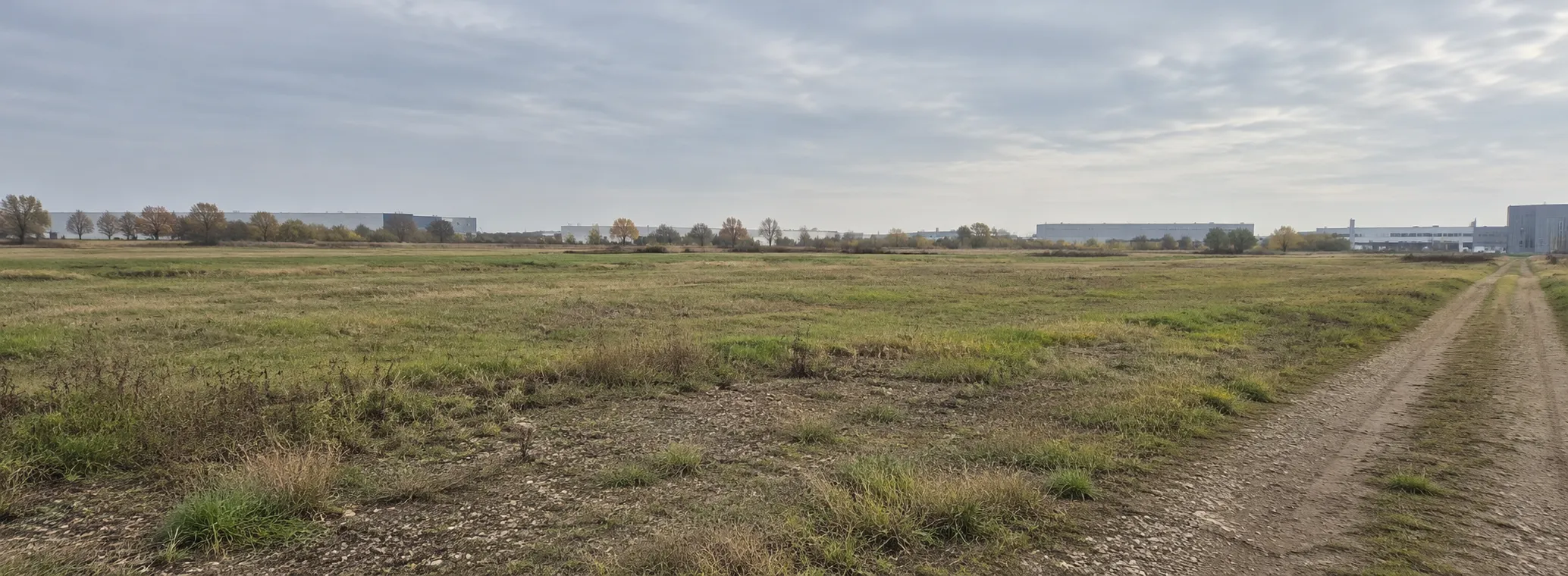
State the current use, such as arable land, grassland, a paved yard or unused commercial land. Describe slopes, known shading and noticeable features of the ground. Make clear what you know and what still needs investigating.
Record who can grant use of the land. If there are co-owners, an existing lease or third-party rights, discuss these early. An empty section on a site plan does not establish when it can be handed over.
Record the planning status
Undeveloped land is not automatically approved for a solar farm. In Germany, section 30 of the Federal Building Code and section 35, among other provisions, address different planning situations. They do not establish whether a particular plot will receive permission without an assessment.
Ask the municipality about existing plans and who can provide an initial assessment. Keep any responses with their date and reference to the plot. General information about the surrounding area differs from an answer about the intended development.
State which documents or permissions already exist in the listing. If the position is unresolved, say so. Mention known protected areas, flood risks or indications of contaminated land so they can be included in the further assessment.
Separate grid connection from cable routes
A nearby power line or transformer is useful information. It does not establish whether the project can connect there. The Federal Network Agency's grid connection guidance explains that the grid operator needs specific project data to assess compatibility and determine the connection point.
Note the responsible grid operator and any connection documents already available. If you have a response, record which project and date it relates to. Do not describe assumed capacity as an agreed connection capacity.
Consider the route between the plot and a possible connection point too. If cables would cross somebody else's land, the necessary rights remain a separate question. A short distance on a map does not resolve it.
Account for access and existing use
Describe how vehicles reach the site. Photos of the access route, visible bottlenecks and details of which tracks you own or share are useful.
Consider what you need to keep using during construction and operation. An access route to a neighbouring building, a drainage ditch or a regularly used farm track needs to remain visible in your description. Mark these areas on the same sketch as the land you are offering.
If you intend to use the land differently later, raise that timetable early. A possible sale or your own expansion plans belong in the discussion before a long-term commitment.
Review reservation and lease terms
Before a project is ready to build, an interested party may propose a reservation or option. Read the actual agreement: how long does it bind you, can you speak to others, and what happens if development stops progressing?
In its explanation of a model lease for ground-mounted solar, KEA-BW identifies matters including permissions, duration, rent and securing rights of use. It expressly states that the model needs adapting to the particular project.
A written question list helps when reviewing an offer:
- Which area is paid for, and what event triggers the start of payment?
- Who arranges each assessment and pays the resulting costs?
- What deadlines apply to planning and the start of construction?
- What rights are granted for the system, access and cables?
- Who removes the installation at the end, and how are those costs secured?
This article helps you prepare the information. It replaces neither a professional site assessment nor legal or tax advice about the agreement. Further discussion points are in From unlock to contract.
Offer the land on Spacement
Gather the location, usable area, current use and availability. Add the known planning status, access details and existing connection information. You can identify missing information as unresolved.
For an initial indication, select Open land in the solar lease calculator. The example range for Germany is not a lease offer and confirms neither suitability nor whether development can be approved.
You can list your plot free of charge through Offer your space. Select Solar as the use type and describe the intended ground area. The listing steps are in Publishing a space.
Spacement provides the directory and contact functions. A listing does not confirm technical suitability or the necessary rights to grant use. You agree the lease and payments directly with the operator.
Common questions
- How large does a plot need to be?
- There is no universal minimum size that makes a project viable. The project concept, continuous usable area, planning status and possible grid connection all matter. State the area you can actually make available.
- Do I need planning permission before listing the land?
- You can offer land while its planning status is still unresolved. Say which documents are available and which questions remain open. A listing does not replace permission or confirm that development is allowed.
- Is a transformer next to the plot enough?
- No. Its proximity is useful site information, but it is not a connection offer. The grid operator assesses the specific project and determines the appropriate grid connection point.
- How much rent can I ask for?
- That depends on suitability, the project and the contract terms. The solar lease calculator provides a non-binding example range for Germany. An actual offer only emerges from discussions with an interested operator.
- Can I offer land that is already leased to somebody else?
- Existing rights of use need to be considered. Check the current agreement and any necessary consents before promising availability. State when the land could actually become available in the listing.
- Is a reservation already a lease?
- The heading alone does not tell you what obligations you are accepting. A reservation or option agreement can also bind you. Have its duration, exclusivity and exit provisions checked before signing.