Offer a parcel locker site on private property
Prepare a parcel locker site listing: check customer access, deliveries, dimensions, connections and permissions before agreeing a lease.
· 4 min read
You can offer a space on private property for a parcel locker. Whether it fits depends on customer access, deliveries and the proposed installation. The operator assesses suitability. A Spacement listing helps you put the site details together for interested operators.
For Germany, DHL explicitly considers private property for its Packstation network. Its stated requirements include accessibility, public access and visibility. The company assesses each proposed location individually. Other parcel locker systems may have different requirements.
Check customer access and deliveries separately
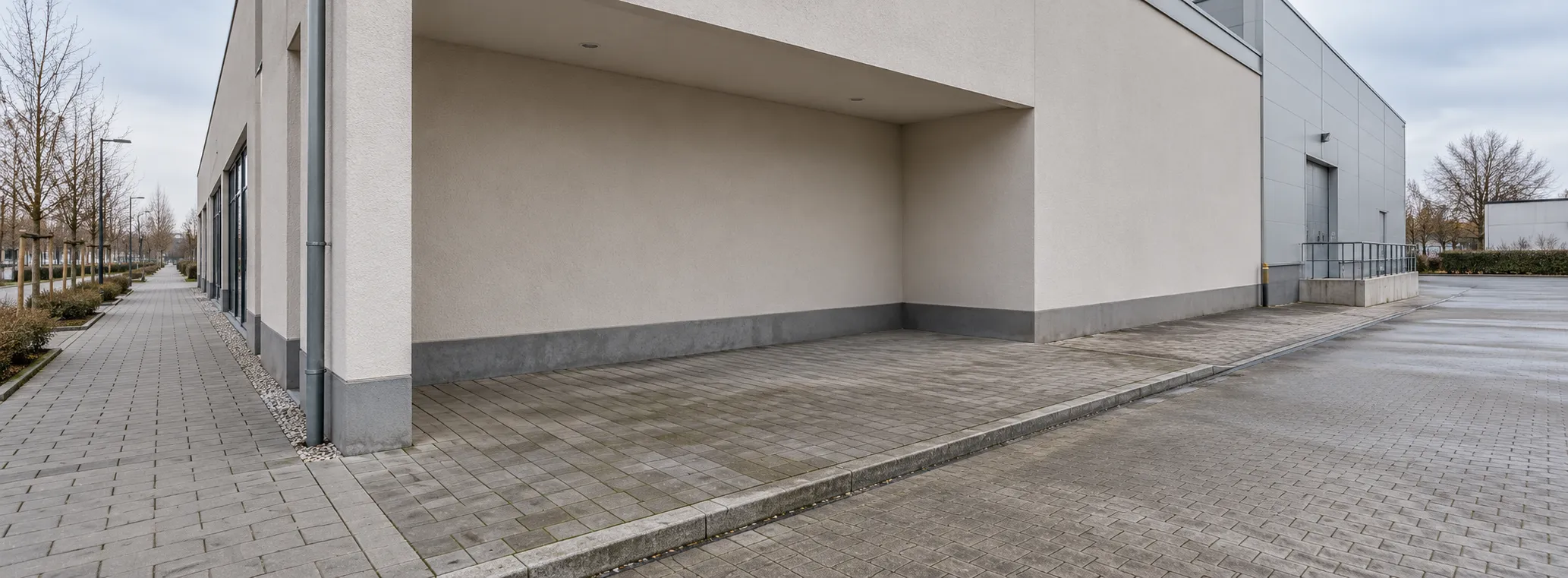
Look at the space from two directions: how does someone collect a parcel, and how does a courier reach the locker? An empty space against a wall does not answer either question.
For customers, trace the route from the street or car park to the compartments. Note steps, kerbs, narrow passages and locked gates. Describe the lighting and the actual access hours. A customer car park that is open during the day may be inaccessible after the shop closes.
For deliveries, describe the vehicle approach and a possible stopping place. Can a delivery vehicle stop without blocking the pavement, an entrance or your own goods intake? Would parcels need to be carried a long distance? Record any times when deliveries would interfere with your own operations.
Measure the footprint and the surrounding clear space
Measure the usable spot. The total yard area says little about which system could fit. Additional space in front is needed to open and use the compartments. The operator must confirm the actual requirements for its model.
You can collect these details before the first conversation:
| Area | What to record |
|---|---|
| Installation footprint | Usable width and depth, plus clear height in a recess |
| Space in front | Available distance to kerbs, parking bays and other obstructions |
| Customer access | Narrowest point, steps, gates and actual access hours |
| Deliveries | Access width, height restrictions and a possible stopping position |
| Surroundings | Doors, windows, escape routes, existing uses and lighting |
A photograph facing the spot and another along the access route make the description easier to assess. Show restrictions too. A future locker extension should not take over the only clear pedestrian route.
Describe the surface and connections
State whether the ground is paved, asphalted, concrete or unsealed. Note slopes, known standing water and visible damage. Whether the surface can support the installation or needs a foundation requires a professional assessment.
For connections, start with what you know: where power is available, possible cable routes and who could authorise work on the building. An existing socket does not establish technical suitability. Power supply and data connection requirements depend on the system.
If you do not know something, leave it as an open question. "Power available at the building; locker connection still to be assessed" is useful information. "Fully serviced and ready to operate" would be a promise you might be unable to keep without an assessment.
Clarify permissions and local requirements
Before accepting a proposal, check that you can make the space available for the intended use. For rented premises or jointly owned property, clarify the necessary permissions. Existing parking rights, access rights and other agreements also need to be considered.
Discuss with the operator and the relevant authority which local requirements or permissions need to be checked for the proposed installation. Private ownership does not establish that every use is permitted. Record what has been clarified and who will deal with outstanding questions. The requirements depend on the country and location.
This checklist replaces neither a professional site assessment nor legal advice.
Agree rent and operating responsibilities
You agree the rent and included services directly with the operator. DHL also describes its site payments as individually assessed. This does not establish a general rental range for parcel locker sites.
Alongside the rent, clarify:
- Who pays for installation, foundations and any connections.
- Who cleans, clears snow and responds to faults.
- Who deals with and insures damage to the building, paving or locker.
- What access rights are needed for maintenance and repairs.
- When payments start and how long the agreement runs.
- Who removes the installation and reinstates the surface at the end.
The general checklist is in From unlock to contract. The lease and rental payments are between you and the operator. Spacement does not become a party to the lease or process rent.
Offer the space on Spacement
You can list your space for free. Select Vending as the use type and make it clear in the title or description that you are offering a site for a parcel locker.
Include dimensions, actual access hours and delivery arrangements. Add the surface, available connections and the status of permissions. State when the site is available and which points still need an operator's assessment.
Publishing a space explains how to create the listing. Photos and descriptions that bring enquiries helps with the pictures. Spacement's listing review does not replace a technical site assessment or permission to install a parcel locker.
Common questions
- Can a parcel locker stand on private property?
- Yes, private property can be considered. The operator checks whether the location, access and installation suit its system. Property rights and local requirements also need to be clarified.
- Does the site need to be accessible around the clock?
- That depends on the operator and its service. State the actual access hours, including locked gates, weekends and public holidays. Do not promise unrestricted access unless you can provide it.
- How much space does a parcel locker need?
- It depends on the model and the number of compartments. Besides the installation footprint, describe the clear area in front, pedestrian routes and delivery access. Give the usable width, depth and any height restriction.
- Does a parcel locker need a power connection?
- Not every model needs a connection to the building. Describe existing connections and their location. The operator needs to confirm the power supply and data connection required by its system.
- Who pays for installation and maintenance?
- You agree this with the operator. Before accepting, also clarify the costs of foundations, connections, cleaning, repairs and removal. One operator's terms do not automatically apply to another offer.
- How much rent can a parcel locker site earn?
- There is no rent that applies to every site. Location, usable space, access and the agreed responsibilities affect an offer. Spacement does not set the rent or guarantee income.