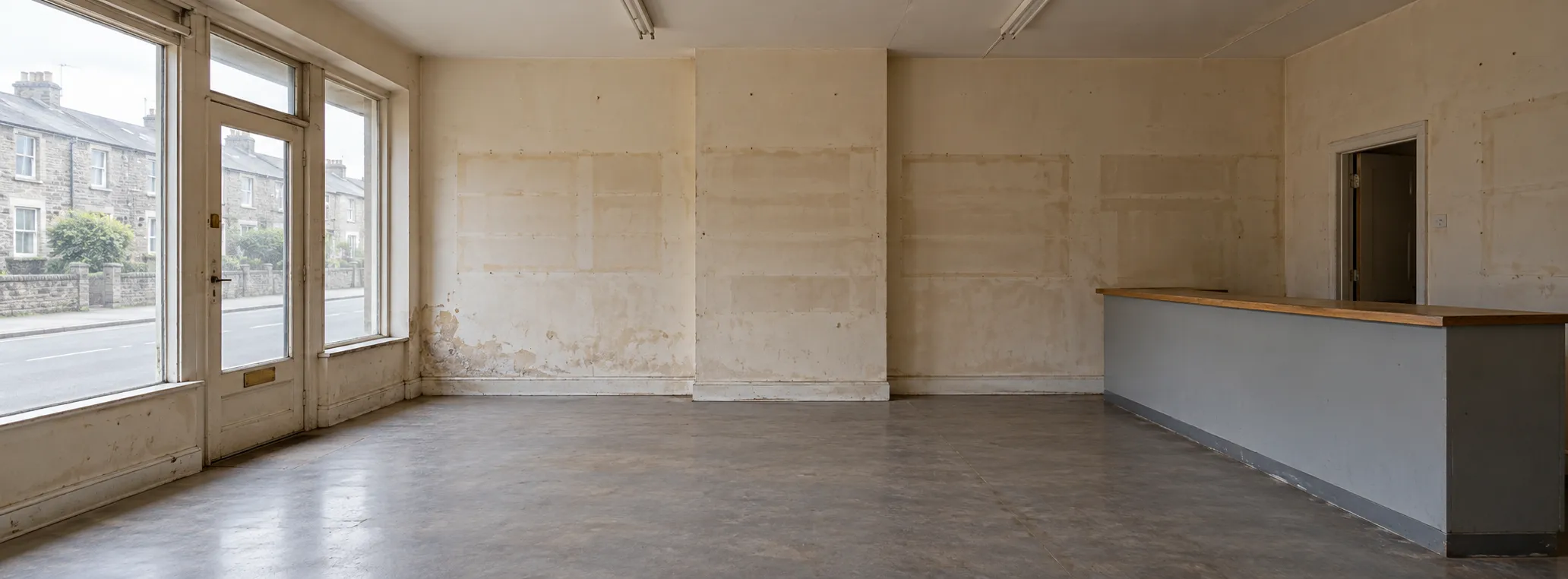
Prepare a vacant shop for temporary use
Offer a vacant shop for temporary use: clarify availability, permitted activities, condition, utilities and handback before listing.
· 4 min read
Prepare a vacant shop for temporary use by describing a reliable period and the space's actual condition. Also establish which activity is possible and who is entitled to make the space available. Interested occupants can then compare their proposal with your conditions.
Pop-up spaces explains the basics of short rental periods. This article covers your preparation as the host of a shop that is currently unused.
Establish a reliable availability window
Start with your own plans. Is refurbishment due, do you intend to move back in, or is a later tenant already expected? Use that timetable to establish when temporary use can begin and when the space must be handed back.
Distinguish trading dates from the entire occupancy period. An occupant may need to deliver furniture beforehand and dismantle, clean and collect goods afterwards. Put those stages in the same calendar as your next use of the premises.
If the end date still depends on other decisions, say so. "Period to be agreed" describes a different position from a firm availability window. Do not promise an extension you cannot yet authorise.
Clarify authority and the intended activity
Record whose consent is needed. If you rent the shop yourself, check the existing contract and establish the necessary permissions. For jointly owned property or a management appointment, responsibilities should also be clear before a commitment.
Ask the interested occupant to describe the actual concept. Retail, exhibitions, events and an activity involving food are different proposals. Ask about opening hours and special installations rather than relying on the word "pop-up" alone.
Gather existing documents about the previous use. Establish with the relevant authority whether the new proposal triggers additional requirements. Previous retail use and a short period do not resolve that question by themselves.
For NRW, the building portal's guidance on permit exemptions explains that exemption for a change of use depends on the circumstances. The responsible building authority can provide guidance. Establish the position for your own location.
Record the existing condition openly
Inspect the shop before listing it. Measure usable retail space and record separately which storage or ancillary rooms are included. Describe fixed installations, narrow points and shared areas.
Document visible damage and known defects. These might include damp patches, damaged surfaces or equipment that does not work. If you do not know the cause or extent of necessary repairs, identify that as unresolved.
Use current photographs showing the condition you can actually offer. Old images from before fixtures were removed, or pictures concealing a defect, do not provide a useful basis. Photos and descriptions explains how to organise the images.
Have safety questions and necessary repairs assessed professionally. A freshly painted room is not evidence that a particular operation can start there.
Define utilities and the ongoing operation
Check which utilities are currently usable. An existing connection does not establish that a supply contract is active or the capacity fits the intended use. Where necessary, clarify what can be provided with the relevant professionals.
For electricity, water, heating and internet, record what you include. How is consumption measured, which meters exist, and who bills whom? Agree who arranges any service activation or additional provision.
Shared areas need specific arrangements. When are the toilet and storage room accessible, where may packaging be kept, and who cleans the approaches? Also describe the delivery route and any building restrictions.
Discuss who can be contacted during the occupation. A contact for technical problems and an agreed arrangement for keys help establish responsibilities from the start.
Prepare handover and handback
Prepare a record for the condition and supplied inventory. Handover should cover issued keys or access codes, existing damage, any relevant meter readings and photographs agreed together.
Agree which alterations are permitted. May shelves be fixed to walls, shopfront graphics applied or walls painted? Before work starts, establish who will carry it out and the condition expected on return.
Also discuss cancellation, rescheduling and delayed clearance. Which terms apply if a necessary consent is not obtained or handover cannot happen on time? Record agreements in writing and obtain legal advice on unresolved contract questions.
From unlock to contract covers further points. This guidance does not replace an assessment of the premises' suitability, advice from the authority or legal advice.
Build the listing from verifiable information
Use this sequence for your listing, completing it with the actual details of the shop:
- Describe the location, usable area and included ancillary rooms.
- State the available period, including handover and handback.
- Explain the intended use and the status of necessary consents.
- List existing equipment and known restrictions.
- Describe access, deliveries, utilities and which costs are included.
- Identify the points still to be resolved before committing.
You can list your shop for free. Under Suitable for, select Pop-up if you intend to offer the premises for that kind of temporary use. Publishing a space explains the steps.
Renting a pop-up shop also shows the details prospective occupants need when comparing offers. You agree the rental contract and payments directly with the occupant. Spacement is not a party to the contract and does not handle rent payments.
Common questions
- How short can a shop's temporary rental period be?
- You agree the period directly with the occupant. What matters is the reliable window you can offer. Include delivery, setup, the actual use, dismantling and handback.
- Can I make a shop available as its main tenant?
- First check your contract, your authority and any consents required for the particular arrangement. Renting the shop yourself does not establish an automatic right to sublet it.
- Does every question about use need resolving before listing?
- You can identify unresolved points explicitly in the listing. Do not describe an activity as permitted while that remains unclear. Required consents and questions for the authorities should be settled before a binding commitment.
- Does the shop need to be furnished?
- Describe the furniture and fixtures actually available and usable. Establish which items are included, what needs removing and which equipment the occupant will provide.
- Which additional costs should I discuss beforehand?
- Clarify electricity, water, heating, internet, cleaning and waste in particular. Record the included services, how additional consumption is measured and who settles bills with each provider.
- What happens if the occupant needs more time to clear the shop?
- Discuss possible delays and their consequences before committing. Record the handback date, contact people and the process for requesting a change. An extension should not be assumed without agreement.